FDA Recalls 19 Million Eggs: Check Your Fridge for These
Another day, another food recall! And can someone please tell me why all the food being recalled is food I LOVE!!! I feel attacked.
Anyways, If it feels like every time you turn around there is another food recall, you’re not imagining it. First, it was lettuce. Then came blueberries. Jalapeños were next. And now, you may want to check your refrigerator because eggs are the latest food at the center of a major recall! And this isn't just a routine recall you can easily ignore.
The FDA's investigation involves a multistate Salmonellaoutbreak that has been linked to 98 illnesses and 26 hospitalizations. That means if you recently purchased eggs, it is worth taking a few seconds to check the carton before making your next breakfast, baking cookies or scrambling up dinner.
What Eggs Are Being Recalled?
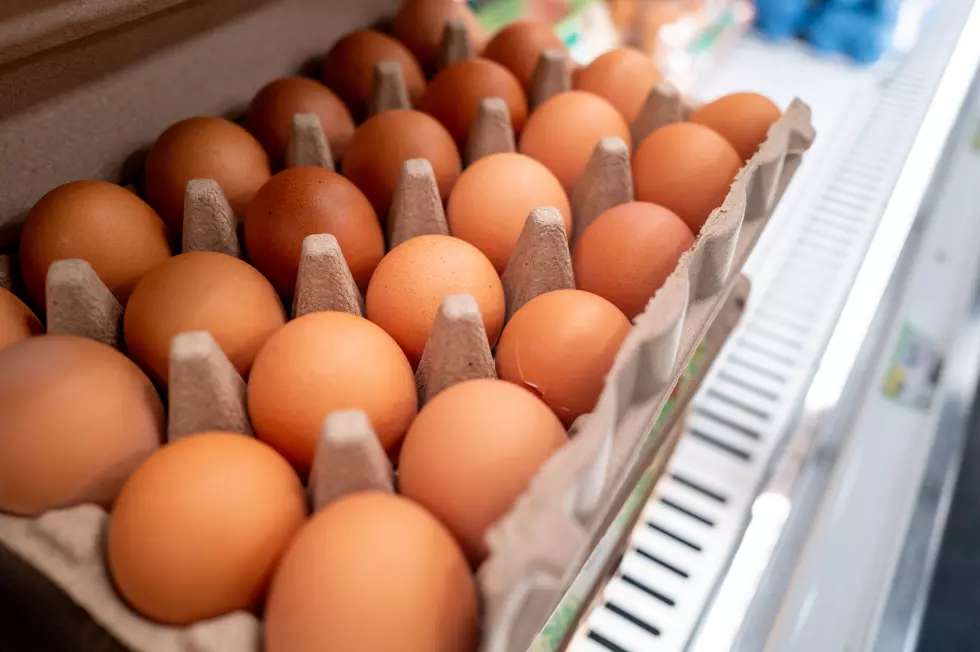
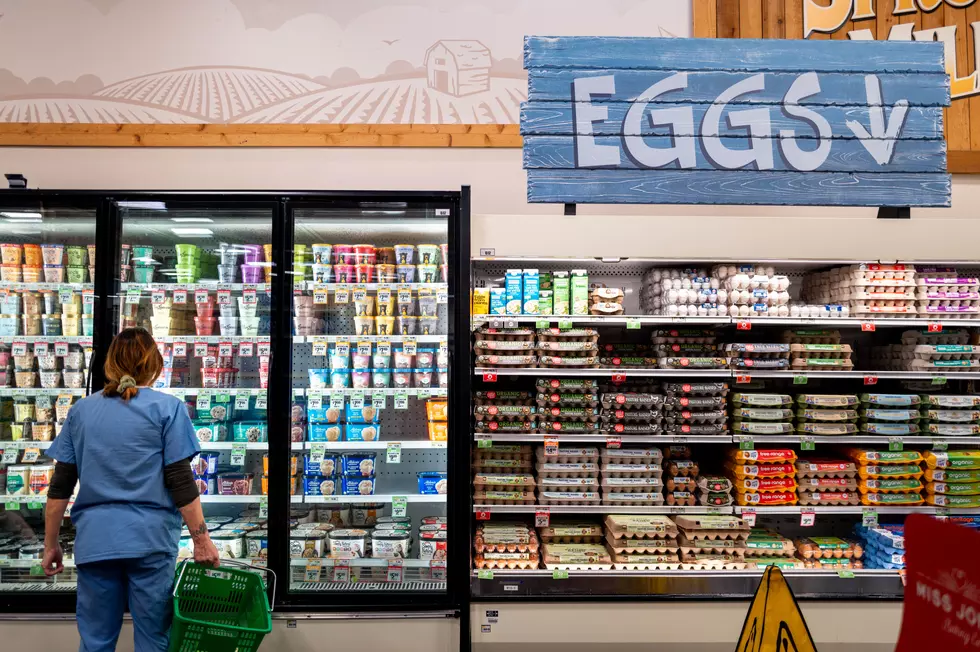
According to the FDA, the recall involves approximately 1,589,577 dozen eggs, or more than 19 million individual eggs, including white shell eggs and brown cage-free eggs produced by Midwest Poultry Services at its Texas facilities.
The eggs were produced between June 6 and July 3, 2026, and were distributed through both retail and foodservice channels.
To determine whether your eggs are part of the recall, check the date-coding information printed on the side of the carton.
The recalled eggs have:
- Plant code: P-1950 or 0840962
- Julian dates: 157 through 184
- Sell-by/Best-by dates: July 20, 2026, through August 17, 2026
The FDA says consumers should use these identifying codes and dates to determine whether their eggs are included in the recall.
Which Brands of Eggs Are Affected?
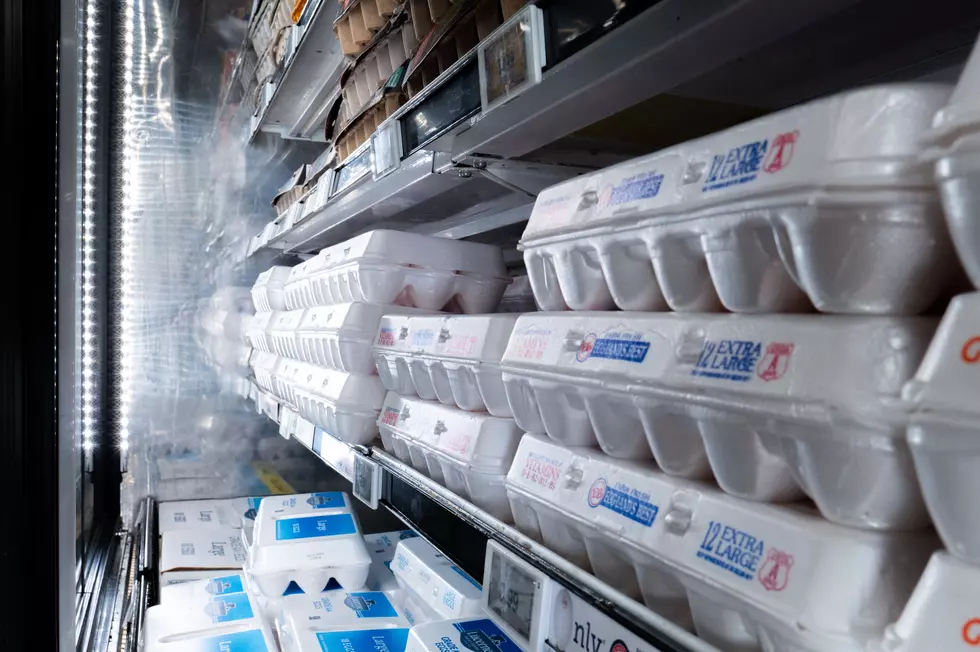
The recalled eggs were sold under several familiar brand names, meaning you shouldn't assume your carton is safe simply because it doesn't say "Midwest Poultry Services" on the front.
Affected brands include:
- Kroger
- Simple Truth
- Brookshire's
- Country Morning
- Cal-Maine Sunups
The eggs were sold in a variety of package sizes, including cartons containing 6, 12, 18, 24, 30, 36 and 60 eggs, as well as larger bulk quantities for foodservice.
Where Were the Eggs Sold?
The recalled eggs were distributed to foodservice and retail customers in Texas, Oklahoma and Louisiana and were available to consumers at Kroger locations in Texas and Louisiana along with other smaller retail and foodservice outlets.
That means shoppers in El Paso and across New Mexico should pay particular attention when checking their refrigerators.
What Should You Do If You Have the Recalled Eggs?
If you find eggs matching the recall information:
Do not eat them. Don't cook with them, bake with them or serve them to anyone.
Throw them away or return them. Consumers can dispose of the recalled eggs or return them to the store where they were purchased for a refund.
Clean your refrigerator. If the recalled eggs or their packaging came into contact with shelves, drawers or other surfaces, thoroughly wash and sanitize those areas.
Wash utensils and countertops. Any kitchen surfaces or equipment that may have come into contact with the eggs should also be cleaned and disinfected.
If you've already eaten the eggs, keep an eye out for possible Salmonella symptoms, including diarrhea, fever and abdominal cramps. More serious illness can occur, particularly among young children, older adults and people with weakened immune systems.
For the most current information and the complete list of recalled products, consumers can check the FDA's official recall notice.
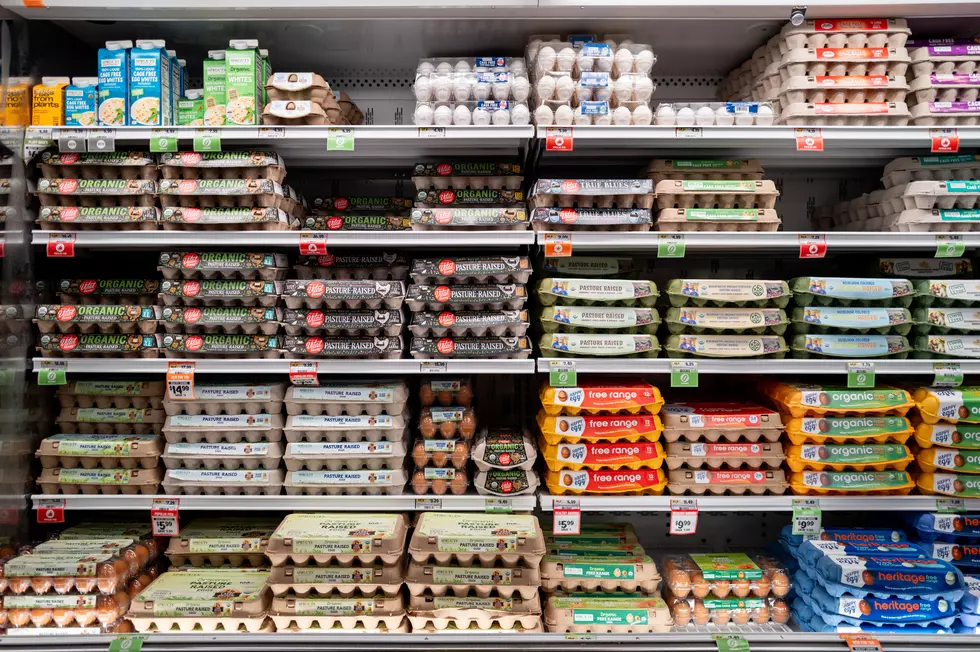
Photos of Eggs That Are Probably Part of The Latest Recall
Gallery Credit: Courtesy: Getty Images
Pictures of Fries To Ruin Your Diet
Gallery Credit: Getty Images
More From 93.1 KISS FM